When Netflix cancelled “Anne with an E” in 2019, it caused major outrage online. Despite the self-funded billboards in both Toronto and New York City’s Times Square, the 1.78 million signatures on petitions to bring back the show and the 13 million tweets online, Netflix still hasn’t revived the show. No matter what the fans did, it didn’t matter because they never owned the show. Subscription services are killing the right of ownership. Instead of buying something and owning it, we pay monthly to rent access to the software or media, on the company’s terms, and the moment they decide otherwise, everything we thought we owned disappears.
Under the First Sale Doctrine, the owner of a copyrighted item has the right to lend it, sell it, donate it or even destroy it without permission from the label or manufacturer. We could make decisions about the product because once it was purchased, it truly belonged to us. In 2002, the Recording Industry Association of America reported that CD sales accounted for 95.5% of all recorded music, generating nearly $13 billion in revenue. This represented an economy built on ownership, but it has been replaced by a system where we rent access to the things we used to own.
Modern services like Spotify or Apple Music don't sell music. They sell a non-exclusive license to access their library under specific terms, while keeping all ownership rights. When they make changes to the library, users can't do anything about it. Since the users don't own the music, they can't make decisions regarding what happens to it like they once could.
When Sony merged with Crunchyroll and Funimation, users lost access to anime they already paid for, as Crunchyroll stated that it did not support Funimation digital copies, which meant those titles did not migrate to the new platform. When Funimation was decommissioned, those licenses were revoked. Microsoft removed Sunset Overdrive from the Xbox store due to expiring music licenses, so the digital buyers couldn’t reinstall it. These were paid purchases that were removed without consent, refund or compensation.
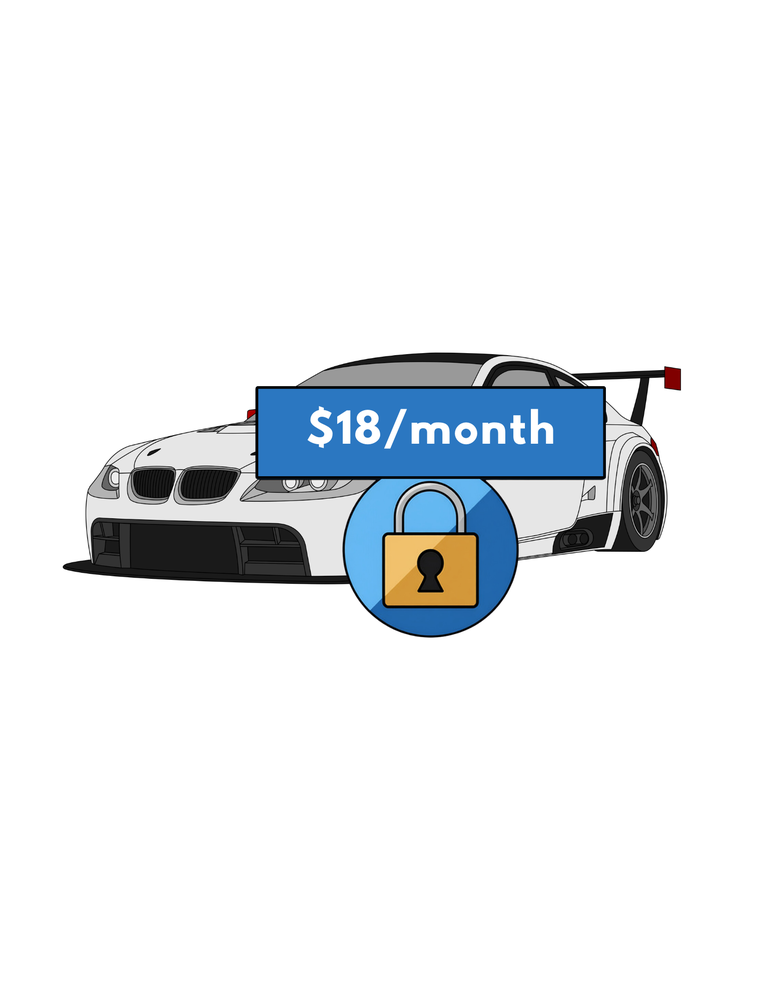
How can we truly own an item if we still have to pay to access the features already built into it? Things like Smart TVs, printers and fitness watches require ongoing subscriptions to unlock features already installed in the hardware. There are even subscriptions for car amenities, like $18 per month for heated seats for the BMW, which was later reversed due to customer backlash. For the Mercedes-Benz, drivers can pay $1,200 a year to increase the speed by 24%. These examples show how far the line between ownership and control has moved.
California AB 2426 prohibits digital storefronts from saying words like “buy” or “purchase” unless they follow specific transparency rules. Without this law, companies would still be using misleading words to make consumers think they owned something they didn’t. If this kind of law is needed to protect people from being misled into false “purchases,” it shows how out of control those digital storefronts have gotten.
Dark patterns have made the situation worse by making it easier to sign up than sign out. It can take 30 seconds to sign up, but cancelling takes a phone call, a 45-minute hold and the website asking "Are you sure?" at least ten times before letting the user proceed. The FTC has fined multiple companies for the use of dark patterns. Amazon was accused of using a complex multi-page process with strategic distractions to make it difficult for users to cancel a Prime subscription. They had to pay $2.5 billion to resolve the allegations. ABCmouse was also fined $10 million for routing users who tried to cancel through multiple pages for promotions that directed away from the cancellation page, all while advertising "easy cancellation." These examples emphasize how not only do we not truly own anything, but the companies also make it harder for us to stop paying for our rentals.
One way we can reclaim our rights of ownership is by reverting to physical media like CDs and Blu-rays, which ensure that we own the content forever and it can not be pulled from a streaming library. Another way is by switching to perpetual licenses, which do not expire and we can use the software indefinitely. When subscriptions are unavoidable, be strategic by seeking pay-as-you-go models where the users are billed based on actual consumption rather than a fixed subscription fee. There are also subscription audits that track and identify subscriptions that the users don’t consume to help them save money and regain control over their spending.
With these solutions, we can begin reclaiming what we buy and own. If we accept this system without pushing back, we risk normalizing a future where nothing we buy is ever truly ours. Recognizing this shift is the first step towards protecting consumer rights and ensuring that ownership remains more than a monthly license to access software.